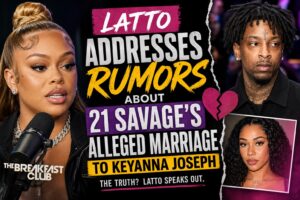


A growing rap feud between two artists has taken over social media this week, with fans closely watching every move as subtle lyrics turned into direct shots. What started as a few questionable lines in a recent track has now evolved into a full online debate, with listeners dissecting bars, revisiting past moments, and choosing sides across platforms like Twitter (X), TikTok, and YouTube.
The situation began when one artist released a song that included what many believe were subliminal references aimed at another rapper. At first, the lines were vague enough to leave room for interpretation, but fans quickly started connecting dots. Within hours, clips of the song were circulating online, accompanied by commentary breaking down each lyric and suggesting who the target might be.
While nothing was confirmed initially, the tone of the track and certain word choices led listeners to believe the message was intentional. Social media users began reacting in real time, with many expressing curiosity and others confidently claiming the shot was obvious.
- “That line wasn’t random, we know exactly who that was for”
- “He definitely sent a message with that verse”
- “This might turn into something bigger”
The conversation quickly gained momentum, and what could have remained a subtle moment in a song turned into a trending topic.
Things escalated when the second artist responded, not with vague references, but with a more direct approach. Whether through a track, a snippet, or a public statement, the response made it clear that the situation was no longer speculative. The tone shifted from indirect competition to something more personal, and fans immediately took notice.
That response marked a turning point. The conversation moved from “Was that a shot?” to “Who won that exchange?” As more people joined in, the debate became less about guessing and more about comparing.
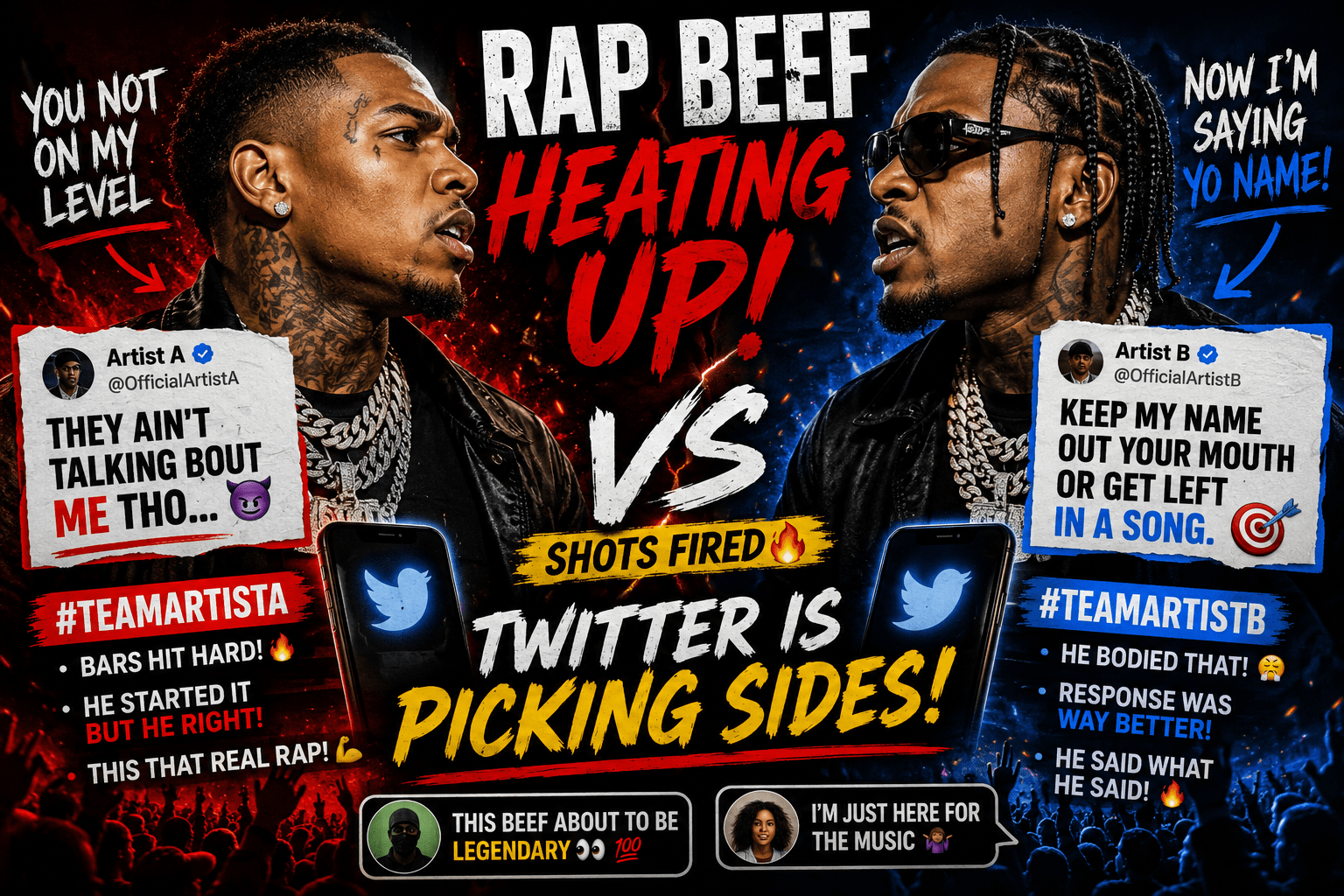
Twitter (X) became the center of the discussion, with users posting side-by-side lyric breakdowns, sharing clips, and debating which artist delivered stronger bars. The platform quickly split into two camps, each defending their preferred artist with equal intensity.
Supporters of the first artist argued that the original verse was clever and calculated, praising the subtlety and wordplay. They claimed that the response, while more direct, lacked the same level of finesse.
On the other side, fans of the second artist believed the response was decisive and more impactful. They pointed out the clarity and confidence behind the reply, suggesting that directness gave it more weight.
- “Subtle bars are cool, but that response was different”
- “He said exactly what needed to be said”
- “This isn’t even close anymore”
As the debate continued, more layers began to emerge. Fans started revisiting past interviews, old collaborations, and moments where tension might have been present. What initially seemed like a sudden conflict began to look like something that may have been building over time.
Clips from previous appearances started resurfacing, with viewers analyzing body language, comments, and interactions between the two artists. Some suggested that signs of competition or disagreement had been there all along, only now becoming more visible.
This retrospective analysis added depth to the conversation. It shifted the narrative from a random exchange to a potentially ongoing rivalry that had finally reached a public breaking point.
At the same time, content creators and commentators played a major role in amplifying the situation. Reaction videos, podcast discussions, and livestream breakdowns began appearing across platforms, each offering a different perspective on the feud.
Some focused on the technical aspects, such as lyricism, delivery, and timing. Others looked at the broader picture, discussing strategy, public image, and the potential long-term impact on both artists’ careers.
The involvement of influencers and media personalities further expanded the reach of the story. Their opinions shaped how many viewers interpreted the situation, often reinforcing existing narratives or introducing new angles to consider.
As engagement grew, so did the stakes. Streams for both artists increased, their names trended across platforms, and their music gained renewed attention. While the conflict created tension, it also brought visibility, highlighting how controversy can drive interest in the digital age.
However, not everyone viewed the situation purely as entertainment. Some fans expressed concern about how quickly rap beefs can escalate beyond music. Historically, rivalries in hip-hop have sometimes moved from lyrical exchanges to personal conflicts, raising questions about where this situation might lead.
This concern added another dimension to the conversation. While many enjoyed the competitive aspect, others emphasized the importance of keeping the focus on music rather than allowing things to become overly personal.
Another ongoing debate centers around authenticity. Some viewers question whether the feud is entirely genuine or partially strategic. In today’s industry, where attention plays a major role in success, some believe that conflicts can be amplified, or even initiated, to boost visibility.
Others strongly disagree, pointing to the tone and intensity of the exchanges as evidence that the situation is real. For them, the emotional weight behind the lyrics suggests something deeper than a calculated move for attention.
Regardless of the origin, the impact is undeniable. The conversation has reached a point where every new post, lyric, or appearance by either artist is being closely monitored. Fans are watching for clues, waiting for the next response, and speculating about what might happen next.
The expectation of a full diss track is growing. With both artists having already exchanged lines, many believe it is only a matter of time before one or both release songs entirely dedicated to the feud. If that happens, the situation could escalate even further, bringing more attention and intensifying the debate.
At the same time, industry figures have started to react. While some remain neutral, others have subtly shown support for one side or the other. These reactions, even when indirect, contribute to the overall narrative and influence how fans interpret the situation.
This highlights how interconnected the music industry has become. A conflict between two artists rarely stays isolated, it often involves collaborators, peers, and fans, all contributing to the conversation in different ways.
The role of social media cannot be overstated. In previous eras, rap beefs unfolded more slowly, with responses coming through albums or interviews over time. Today, everything happens in real time. A single line can spark a global conversation within minutes, and responses can arrive just as quickly.
This speed changes how conflicts develop. It increases pressure on artists to respond, shortens the gap between actions and reactions, and amplifies every moment. It also means that public opinion forms rapidly, often before all details are clear.
For many observers, this situation serves as a reminder of how powerful narrative can be. The way a story is framed, through clips, captions, and commentary, can shape how it is perceived, sometimes more than the original content itself.
As the feud continues, the focus remains on the music. Fans are eager to see how both artists respond creatively, and whether the competition will push them to deliver stronger performances. In hip-hop, rivalry has often been a catalyst for innovation, leading to memorable tracks and defining moments in the culture.
WTF GOING ON TV views this situation as a classic example of how quickly a small moment can grow into a major conversation. A few lines in a song turned into a full-scale debate, demonstrating the influence of both the artists and the audience in shaping narratives.
Whether this remains a lyrical competition or develops into something more, one thing is clear: the internet is fully engaged. Every move is being analyzed, every lyric is being interpreted, and every response is adding another layer to the story.
💬 WHAT DO YOU THINK?
Who’s winning this so far? Is this just healthy competition… or is it starting to go too far? 👀